
How to Make the Most of Your Senior Year – Advice from a Recent Graduate
A new school year is approaching and for some of you, it is a particularly significant time because you are starting your final school year before you graduate and head off to begin your careers in new places. For this blog post we have interviewed a recent graduate, Pammi Yeung, to provide her insights and advice on how to make the most of your senior year.

Pammi, we appreciate you taking the time to talk with us and share with Student Central members your recommendations for a successful senior year. We know that not too long ago you were in their shoes. Tell us a little about yourself; where did you attend school, and what are you doing now?
I graduated from Dartmouth College in 2012, with a major in mathematics. After graduation, I joined Liberty Mutual’s actuarial program and am currently in my second rotation of the program.
How did you spend your time your senior year?
While I made sure to take all the classes that would fulfill the VEE requirements, I also took advantage of Dartmouth’s liberal arts education by taking other classes that interested me. I particularly enjoyed taking Greek Tragedies from the Classics Department and Introduction to Jazz from the Music Department.
What goals should students pursue during their senior year of college?
- Make time for your friends. College is a rare time of your life where many intellectual people surround you and are interested in just being your friend.
- Commit to the job interviewing process. Having a job offer before graduation will help to reduce stress and allow you to focus on passing actuarial exams.
- Try to finish the VEE requirements and 2 – 3 preliminary exams. This will help you stand out to employers and give you a strong foundation to build on during the first few years of your career.
What are some suggestions for accomplishing these goals?
- Know your priorities. Everyone is busy during their senior year so you have to be proactive in keeping in touch.
- Attend job fairs and more importantly – network with alumni. Don’t be shy when reaching out to alumni! They were in your shoes years ago and chances are, if they are talking to you, they want to help. Remember that one day you will also be in a position to help other students.
- Students who are not in an actuarial science program – obviously you will have to make extra time outside of your regular coursework to study for actuarial exams. No matter how busy you think you are right now, you will be busier after graduation. Anything that you can get done now will only help you in the future.
How did accomplishing these goals help you?
Having to study after work in some way limits your social circles after you start to work full time. Having friends from college who know you well helps your transition to post-college life.
Passing actuarial exams is hard. Having to pass them while looking for a job is even harder. It is ideal if you are able to secure a job offer before graduation to get a head start in your career. Another benefit to early employment is that your company might pay for exam materials and fees, which will reduce financial burden.
What can seniors look forward to once they are out of school?
Depending on your role in the company, you may be able to see products or features that you worked on being promoted or sold on your company’s website. The sense of fulfillment is similar to when you apply exam knowledge in a project and know that all the efforts have meaning beyond a passing score.
When you enter the work world, you’ll have the opportunity to learn more about how actuaries interact with other kinds of insurance professionals and about the non-traditional career paths that actuaries can take. This sort of information is typically only available through real-world experience. The industry is evolving quickly – college courses won’t teach you about these latest trends!
Excellent – Thank you Pammi for talking with us and providing your advice.
My pleasure! I wish everyone a great school year!

 This is one of my most favorite quotes noted on the back of my career coach’s business card. It always motivates and inspires me. When I was an applied math student three years ago, I realized my career goal was to become an actuary, not just any actuary, a great actuary. I knew this profession would be very challenging but I told myself: “I can do it and I will.”


 Your first internship can be an intimidating experience. Surrounded by professionals in a business environment, new interns tend to have many questions, and sometimes miss out on great opportunities. Recent intern testimonials from Temple University’s Sigma Chapter of Gamma Iota Sigma show common trends among students who completed internships. Many of these students had rewarding summers, but many also missed some great networking and project opportunities.

 The days of naps, classrooms, hanging out on campus, and studying will soon be a distant memory! Okay, maybe not the studying part; but the time comes when we must transition from living the college life to having a full-time career. It can be scary, and sometimes even difficult. The important part is that we learn from those around us and embrace the change.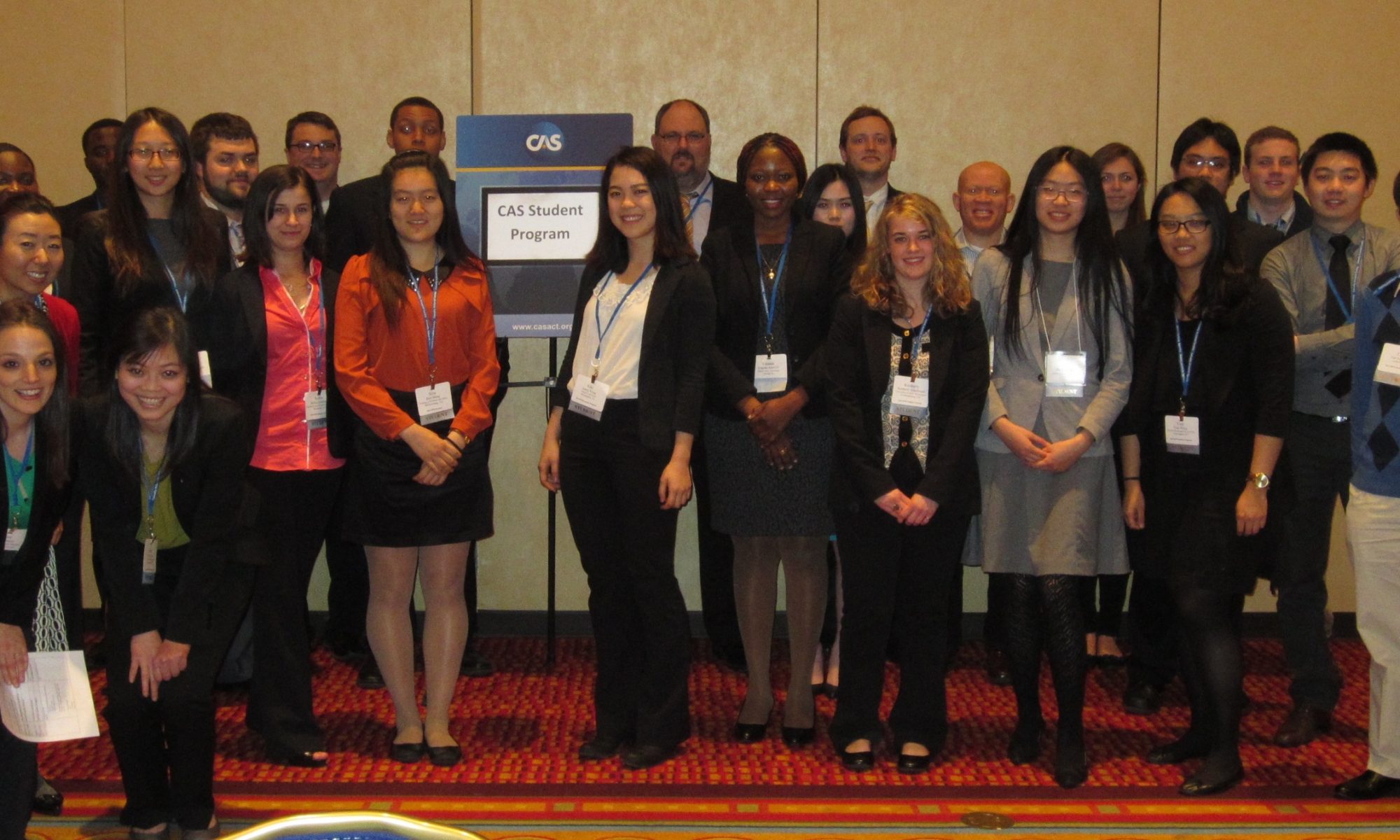
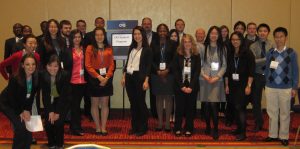 As an international student with a non-traditional background (Math PhD), I am convinced that I cannot rely on the conventional channels to help me land my first actuarial job. Coming from an academic background, I understand that professional conferences are the best place to meet people and to build professional relationships. So when I heard that CAS was offering a dedicated student program at its Ratemaking and Product Management Seminar (RPM), I signed up right away. I am so glad I did because what I experienced at RPM far exceeded my expectations! It was a full day of activity; I would like to focus on recounting my experience in two areas: networking and learning.