
CAS Profile: Joana Neves, CAS Candidate, MIBA
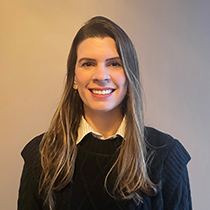 Joana Neves, MIBA, is an actuarial manager and property and casualty (P&C) reserving specialist with over 12 years of experience in the insurance industry.
Originally from Brazil, Joana built an actuarial career before moving to the United States in 2023 to pursue her long-time goal of working abroad. Before making the move, she held senior leadership roles at one of the largest P&C insurers in Brazil, where she led initiatives such as IFRS-17 implementation and a large reserving restructuring across multiple lines of business.
Leaving a stable and well-established role was not an easy decision, but it allowed her to continue growing in a new market. After relocating to the U.S., Joana transitioned into the CAS pathway, leveraging an internation waiver for the preliminary exams, and is currently studying for the upper-level exams.
Where do you work and what is your position?
I currently work at WTW as a Lead Associate. My role focuses on P&C reserving analyses across multiple lines of business, supporting regulatory and financial reporting, and leading actuarial projects from planning through delivery. I also spend time mentoring junior actuaries and managing projects.
Why did you decide to become an actuary?
I didn’t really know what I wanted to do when I was finishing high school. I knew I liked math, but I didn’t want to be a teacher, and at 17 I was convinced that not liking physics meant engineering was definitely not for me.
Then I discovered actuarial science, a relatively new degree at the time, with strong demand and opportunities in larger cities. Honestly, I didn’t fully know what I was getting into, but it turned out to be a great decision, and I’m very happy I chose this path.
What parts of the profession do you love the most?
I love that the actuarial profession constantly challenges me to learn and adapt. In P&C, we work with complex data and models, but the ultimate goal is to support decisions that have a real impact on financial stability and risk management, which makes the work both meaningful and engaging. I also enjoy working closely with different teams and translating technical analyses into clear insights that others can understand and use.
What is the best piece of career advice you have ever received?
- Focus on long-term growth and trust the knowledge you’re building.
One of the best pieces of career advice I’ve heard is to prioritize long-term growth over short-term comfort. The CAS exam process reinforces this mindset: You don’t have to get everything right at once, but consistency and persistence matter. Exams are challenging, but they’re a powerful way to learn, demonstrate your skills, and open doors across companies and countries.
- Don’t underestimate the importance of soft skills.
Early in an actuarial career, it’s easy to think that being good at math and passing exams is enough. Over time, however, skills like communication, teamwork, leadership, and the ability to influence decisions become just as important, especially as responsibilities grow. These skills are often what turn strong technical work into real business impact.
- For international professionals, don’t let imposter syndrome hold you back.
Insurance markets and regulations may differ from country to country, but actuarial methods and the understanding of the insurance business are highly transferable. For international students and professionals, it’s important to trust that foundation and recognize its value. Even in countries where exams are not required, they can help validate your expertise and create opportunities globally.
Why would you recommend a career in the P&C insurance industry to current college students?
I would recommend a career in P&C insurance because it opens a lot of doors. The actuarial exams are internationally recognized, which helps prove your knowledge and can make it easier to build a career across different companies, or even different countries.
Actuaries can work in areas like pricing, reserving, claims, catastrophe modeling, underwriting, capital modeling, enterprise risk management, analytics, or consulting. Even within reserving, one week I might be modeling reserves for a sports betting reinsurer, and the next I could be estimating environmental losses, analyzing marine exposures, or assessing long-tail liability risks.
What can students and early professionals do now to prepare for a career in the industry?
Getting involved with the CAS and taking advantage of its resources, events, and networking opportunities can make a big difference early in your career. I would also encourage students to not underestimate the power of mentorship — talk to people who are a few steps ahead of you, ask questions, and learn from their experiences. Those conversations can be just as valuable as exams or technical skills.